
The sizzling growth of the B2B SaaS sector has become a little more demure in 2024. In this context, the rise and rise of SaaS unicorns makes even a starker contrast against the growth barriers that plague the vast majority of B2B SaaS companies. Understanding the source of these issues is the first step in adopting potential solutions. Because, with the projected growth potential of the SaaS industry, these barriers are seriously worth breaking.
 You can find volumes about why some businesses underperform or fail. Depending on who is looking, the reasons range from financial to leadership, with the marketing and human factors somewhere in the middle. So, let’s be clear. Business is about customers: the revenue they provide, and the strategy and budget required to win and keep them.
In this post, I will walk you through the key growth barriers for B2B SaaS companies and provide some marketing tactics you can use to break down those barriers.
You can find volumes about why some businesses underperform or fail. Depending on who is looking, the reasons range from financial to leadership, with the marketing and human factors somewhere in the middle. So, let’s be clear. Business is about customers: the revenue they provide, and the strategy and budget required to win and keep them.
In this post, I will walk you through the key growth barriers for B2B SaaS companies and provide some marketing tactics you can use to break down those barriers.

 Margaret Mason is an experienced, inbound certified content marketing strategist. As Founder and Chief Inspirator of Melbourne based InnoFuture Marketing Innovation, she provides strategic, tactical and marketing project management support to innovative B2B organisations. She works with selected companies as a high calibre, part-time CMO helping them grow and scale up their marketing efforts.
 You can find volumes about why some businesses underperform or fail. Depending on who is looking, the reasons range from financial to leadership, with the marketing and human factors somewhere in the middle. So, let’s be clear. Business is about customers: the revenue they provide, and the strategy and budget required to win and keep them.
In this post, I will walk you through the key growth barriers for B2B SaaS companies and provide some marketing tactics you can use to break down those barriers.
You can find volumes about why some businesses underperform or fail. Depending on who is looking, the reasons range from financial to leadership, with the marketing and human factors somewhere in the middle. So, let’s be clear. Business is about customers: the revenue they provide, and the strategy and budget required to win and keep them.
In this post, I will walk you through the key growth barriers for B2B SaaS companies and provide some marketing tactics you can use to break down those barriers.
- Low Entry Barrier And Then What
- Being Fuzzy about Your Target Market
- Not Defining the Vital Customer Metrics
- Not Adopting A Holistic Approach To Building A Sales Pipeline
- Failure to Show a Clear Differentiating Value
- Elephant in the Room: COVID-19 Impact
1 Low Entry Barrier And Then What?
Today, the cost of developing an app can be very affordable! In the global gig economy, virtually anyone can find a development team on a freelancing site and build an app. If your app is a B2C solution, i.e. a consumer product, you can easily plug it into a relevant ‘marketplace’ platform and start there. However, marketing B2B SaaS solutions is a little more complex and requires unique strategies for b2b marketing. It doesn’t take marketing genius to realise a passive approach, i.e. “build it and they will come” doesn’t work. You need to have tactics and tools to encourage trial, usage and build loyalty of a tribe to ensure growth. Apart from visibility, B2B selling requires a powerful element of Trust. This involves creating communication tools to do the pre-selling job online.How to break this barrier:
-
The Launch Effect
-
Content Marketing Strategy
-
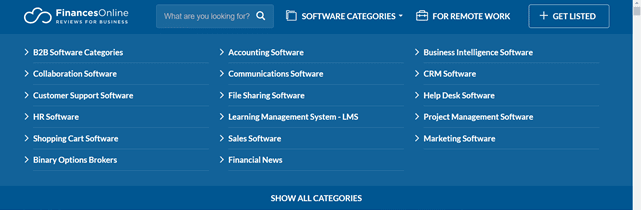
Directories & Comparison Sites
2 Being Fuzzy about Your Target Market
Business success is never about an idea or technology. It is always about the customer. Most B2B SaaS companies fail because they are simply not solving a customer problem for a clearly defined and attractive market segment. Today, it’s not enough to just broadly define a market segment. The adage that “people buy from people” has never been more relevant than it is to SaaS products. In the digital B2B buying paradigm of the self-service economy, brands require a powerful online voice to perform the job of a skilful sales rep to attract, qualify, engage, inform and build trust with prospective buyers.How to break this barrier:
-
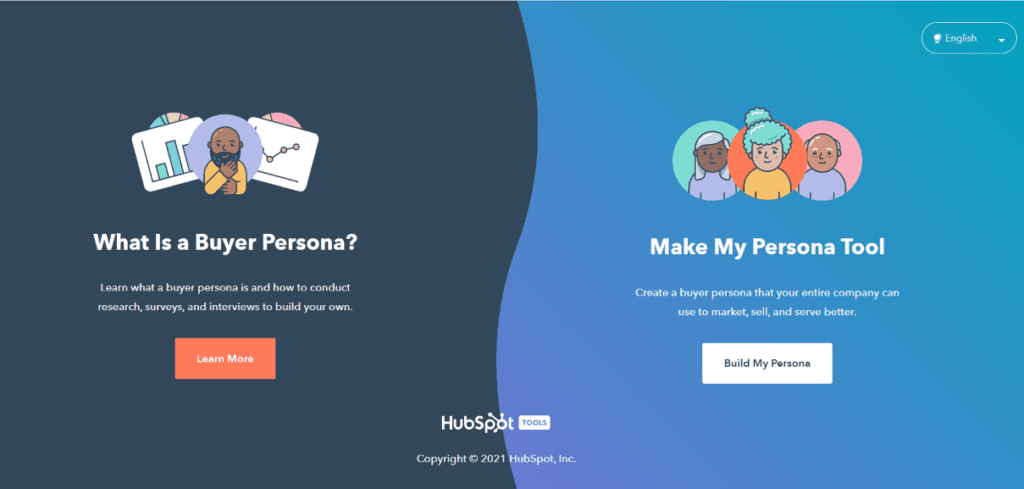
Buyer Persona Profiling

3 Not Defining the Vital Customer Metrics
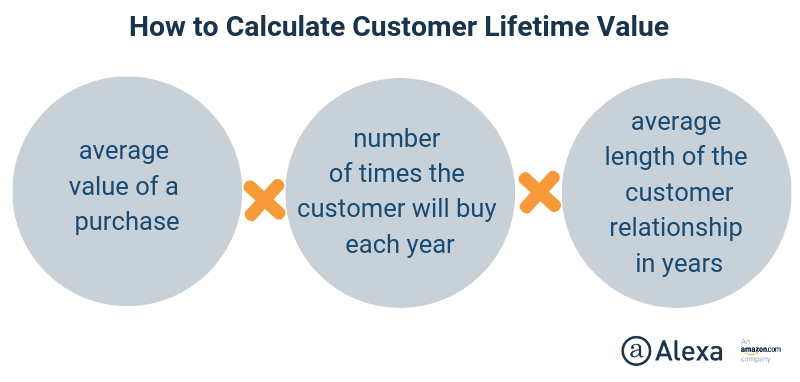
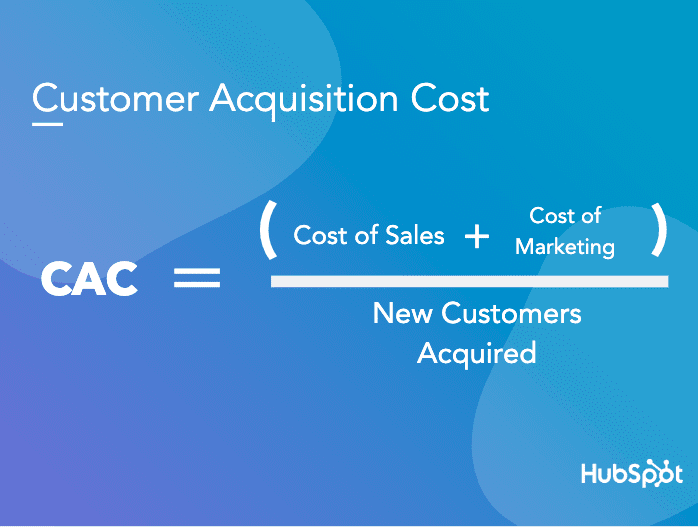
If the Customer Lifetime Value (CLTV) and the Customer Acquisition Cost (CAC) are not defined, you may be spending too much on Customer Acquisition. Equally, if you don’t know your Customer LTV potential, you may be too cautious in your acquisition and retention strategies, thus wasting money on ineffective tactics. Both metrics will help you to fine-tune your marketing approach.-
Know your Customer LTV
-
Applying CAC metric
4 Not Adopting A Holistic Approach To Building A Sales Pipeline
The biggest and most common mistake made by B2B SaaS companies and most B2B businesses is adopting a transactional approach to sales instead of building relationships. So, instead of setting a strategy and process to build sales pipeline process and create a momentum, they aim for instant sales results sometimes from a single marketing campaign. For instance, businesses often invest in building a new website, without planning the next step, e.g. launching the new website with a drip campaign, or creating a basic communication plan to reach and engage the market and fill in the sales pipeline. When you consider selling from the Buyer’s perspective, your Sales Pipeline is their Buying Journey. Helping them find, consider and decide to buy the best solution to their problem. Not having a holistic approach to building this sales pipeline will not deliver sales you want.How to break this barrier:
-
Trust Factor
-
Thought Leadership Marketing
-
Joint Promotions
-
LinkedIn
-
Digital Events (aka Webinars)
-
Email Marketing
5 Failure to Show a Clear Differentiating Value
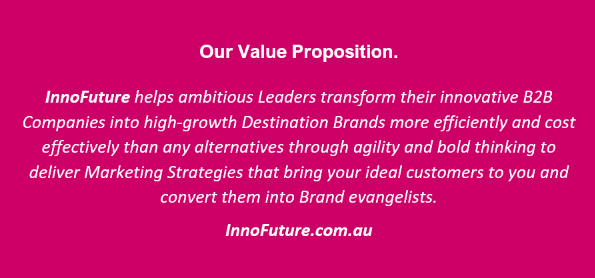
“If you don’t have a competitive advantage, don’t compete.” Jack Welch.Here is a thing. None of the above approaches will work well if your SaaS brand cannot clearly convey its unique offer, i.e. its Unique Value Proposition. Why should they buy from you? The importance of Brand Differentiation is nothing new. Coca Cola and Pepsi are still battling it out after over 120 years. While B2B SaaS applications often start by solving a particular problem, competition follows. So, if you don’t have Brand identity in the market by the time your first competitors arrive, they gain an advantage by improving on your mistakes and a mandate to differentiate their offering as superior. By failing to differentiate, you are making it harder for customers to choose you and easier for competitors to win. Ouch! Costly mistake.
How to break this barrier:
-
Value Proposition.
6 Elephant in the Room: COVID-19 Impact
The impact of COVID-10 distills to two words: Virtually Everything. The pandemic has aggressively sharpened the curve of digital acceleration. So? Isn’t it why your SaaS business is here, anyway? Yes. But the pandemic has dramatically affected both customer acquisition and retention. And while many B2B marketing tactics that were effective in new customer acquisition have successfully transitioned to digital formats, customer retention remains a challenge. Apart from call centres, chatbots and tickets being a poor substitute for excellent service, lockdowns and social distancing are not conducive to product usage. Opportunities for sharing user experience and to leverage the experience of more advanced colleagues to help others to use your software have all but disappeared. And without usage, attrition will follow. So, the priority is to focus on retention.How to break this Barrier:
-
The new B2B Marketing Mix.
-
Pump out that How-to Content.
-
In-Product Marketing.
- Does it provide a fabulous user experience (UX), one that will want people to use it and rave about it?
- Does it have a clear and irresistible path from “freemium” to “premium”?
-
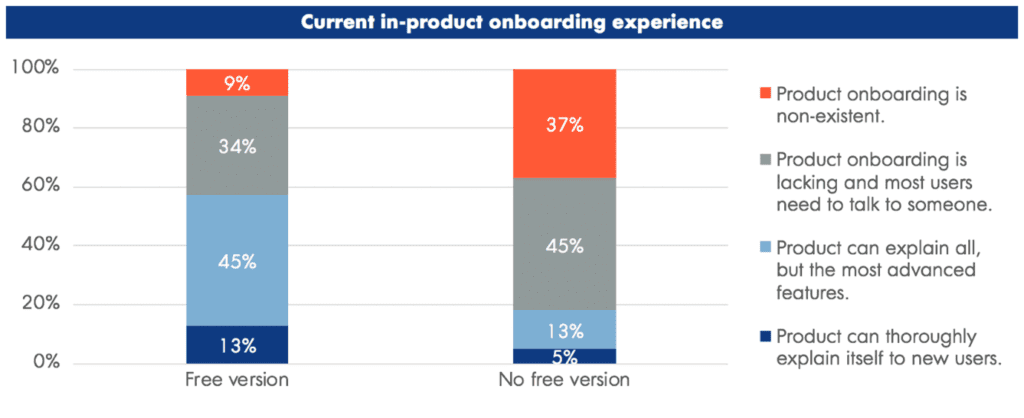
In-Product Onboarding.

Conclusion….
Market success stories consistently prove that business success is linked to effectiveness of marketing. The best marketing strategy can be simple. Ultimately, it is about customer experience (CX / UX), which is critically important for SaaS products because they always require some effort from the user. Marketing is an important part of making the product experience that much better. With 73% of organizations indicating that nearly all their apps will be SaaS by 2021 (BMC, 2020) and 86% expecting at least 80% of their software needs to be met by SaaS after 2022 (BlueTree, 2021), is there any question that to be in the game, your organisation must have a good plan and all hands on deck to implement it. I trust the above ideas will help your team stimulate strategic and tactical thinking to create a successful path for growth. If you need help, or still have questions Click image below and talk to me.
About the Author:
 Margaret Mason is an experienced, inbound certified content marketing strategist. As Founder and Chief Inspirator of Melbourne based InnoFuture Marketing Innovation, she provides strategic, tactical and marketing project management support to innovative B2B organisations. She works with selected companies as a high calibre, part-time CMO helping them grow and scale up their marketing efforts.